
Understanding Metabolic Health
The signs, questions and conditions this new series will explore.

By Johnathan Taitano
Osteopathic physician • Las vegas
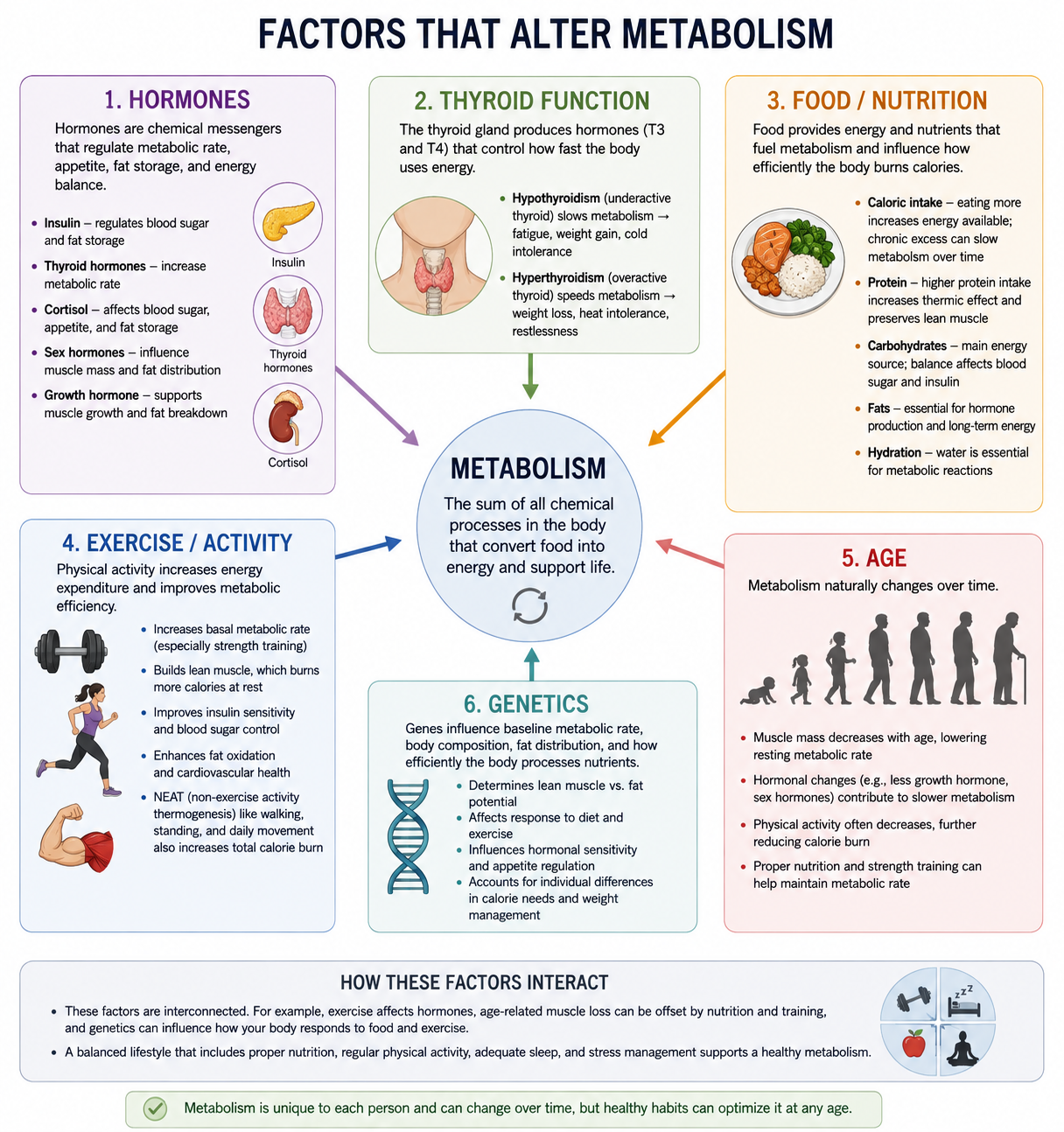
Metabolic health has been a huge talking point over the last several years. The market today is saturated with comments, ideas, research, and various opinions from medical professionals, and those who are not medical professionals, regarding metabolism and metabolic health. What I am going to try to do in this article, as well as the series, is to address some of the most common questions, conditions, current thoughts and interventions regarding metabolic health. We will also be diving into the consequences of a decreased metabolism, either through inherited conditions, hormonal changes, as well as the most common syndromes associated with a decreased metabolism.
Why metabolic health matters
Metabolic health is pivotal because alterations of your metabolism, which is very prevalent here in America, lays the groundwork for every chronic disease that plagues our country, including obesity, type two diabetes, high blood pressure, elevated cholesterol, as well as heart attacks and strokes. Another consequence of a decrease, slowed, metabolism, is that it locks the body into a pro inflammatory state. These symptoms can range from brain fog, muscle aches, and pains that seem to come out of nowhere, joint pain when you weren’t that active, swelling of your legs, or simply a 5 pound increase on the scale when what you eat or what you do has not changed. Other signs of a slowed metabolism include skin tags, skin color changes (mainly on the neck, under the arms or on the inner thighs), fatty liver, belly fat that doesn’t seem to budge, fatigue that you can’t seem to do anything about, as well as constant cravings or “low blood sugar” episodes if you do not constantly eat or snack.
Different signs in women and men
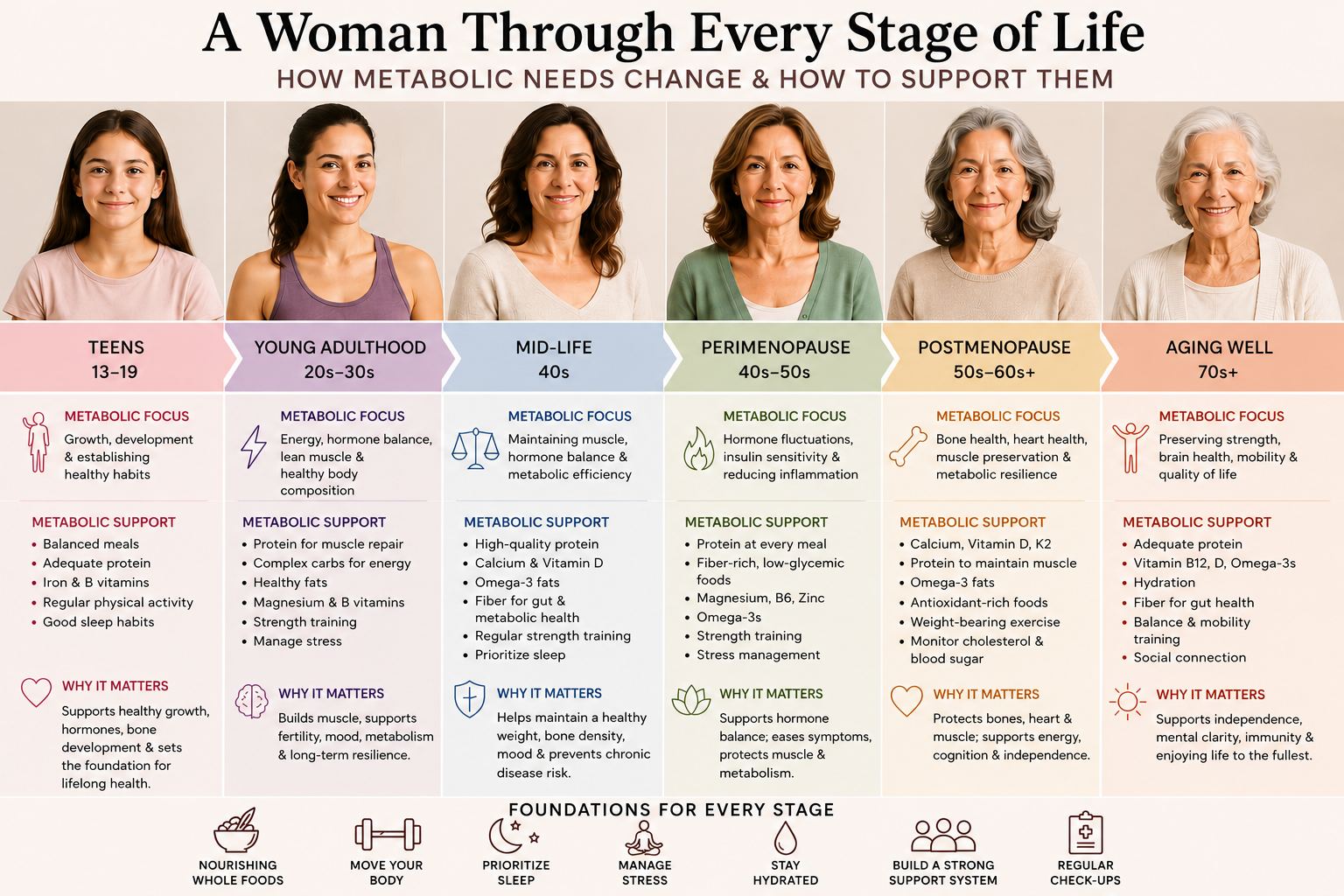
While these issues can affect everyone, we are also going to address some of the symptoms that are unique to men and women. Women can show signs of a slowed metabolism with altered menstruation, thinning of hair, acne outside of early teenage years (especially on the chin or upper lip), difficulty getting or staying asleep, temperature fluctuations, difficulty getting pregnant, loss of mental focus and control of emotional outbursts. Symptoms that can be experienced by men include weight gain mainly around the mid-section, increased soreness after work outs or long days at work, erectile dysfunction, weight gain in the chest, increased emotional lability, decreased muscle mass, and difficulty with managing stress.
The changes you may not see
While a slowed metabolism can cause concerns for your outward appearance, it also causes internal derangements. These include alterations in a person’s bloodwork, mainly their cholesterol panel, fasting blood sugar, and their A1c. However, outside of objective parameters that can be tested via bloodwork, one of the major things that is also affected by a decreased metabolism, which most people do not talk about or look for, is mental health issues. These issues affect both men and women and can be limited to lack of motivation or drive, difficulty remembering things, as well as a noticeable drop in their thinking ability. However, these can also manifest themselves as increased depression, increased anxiety, decreased ability to concentrate and focus, as well as increased irritability. For people who suffer from these exacerbations, they usually say that it “came out of nowhere“ because even though they do admit to some degree of depression and anxiety (as we all do) they can usually pinpoint the time in their life when these conditions increased and is currently out of control to the point of even seeking medical advice for medications.
What this series will cover
These are just some of the things that we will dive into and discuss in this segment on metabolic health. If any of these topics or content describes you or someone you care about, please continue to follow along with this series to learn more about metabolism and how to correct it and maintain it throughout your life.
ABOUT THE AUTHOR
Johnathan Taitano is an osteopathic physician who practices in Las Vegas Nevada. He attended A.T. He studied osteopathic medicine in Arizona and did his residency, in internal medicine, at Valley Hospital, Medical Center. He is board certified in internal medicine and has been in practice for 10 years starting out as a hospitalist but now runs a clinic with a focus on metabolic disorders.